
The Heisman winner's rookie year in Jacksonville was basically a science experiment in how much one human can do on a football field. Hunter split time between wide receiver and cornerback all year, with his workload swinging wildly depending on matchups and injuries around him, at one point playing 67 offensive snaps in a single game and at another barely sniffing the field before halftime. It was thrilling, it was chaotic, and it never really settled into a rhythm because his body wouldn't let it.
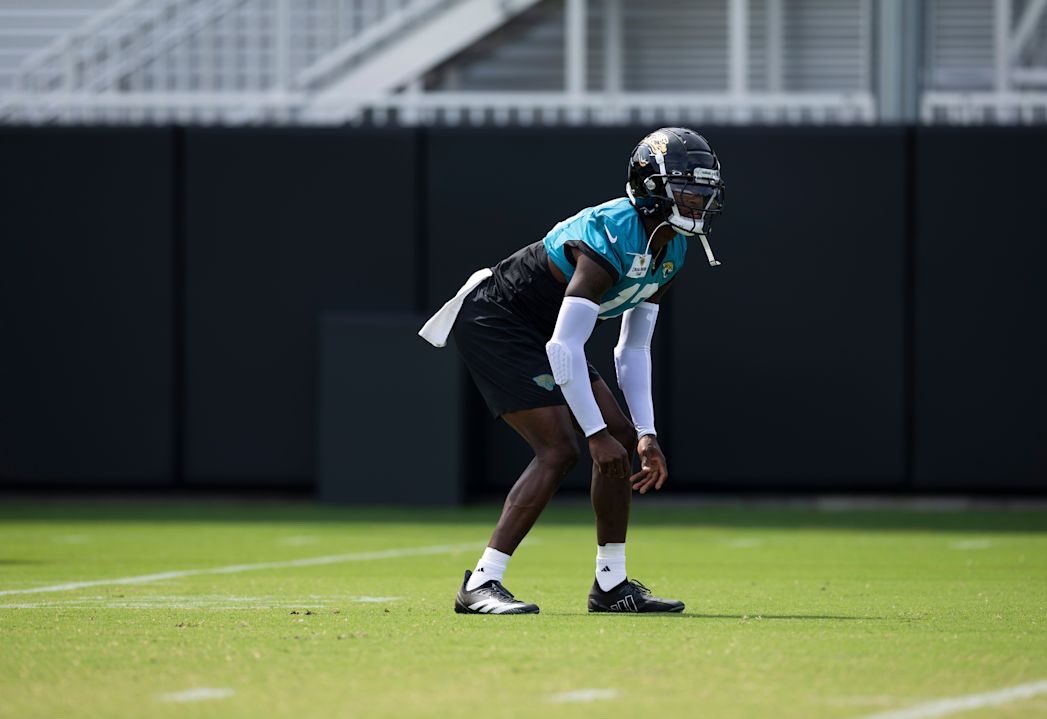
That's the headline here. A guy who missed chunks of last season banged up is now the one being green-lit for a workload increase, not a cautious ramp-up. Jacksonville has made clear it likes Hunter better at corner right now, but that doesn't mean the offense gets left behind. He's still expected to play meaningful wide receiver snaps too, the kind of role that made him must-watch TV as a rookie even when the numbers were inconsistent.
That dual usage is exactly what has fantasy analysts squirming. Hayden Winks flagged the math problem plainly: if Hunter is soaking up 40-70% of the offensive snaps on top of his defensive load, there just aren't enough targets left over for the other Jaguars pass catchers to be reliable fantasy plays.
If Travis Hunter is really playing 40-70% of snaps on offense as this example suggests, it's going to be pretty hard to make the #math work for Jakobi Meyers and Parker Washington as fantasy assets.
That's bad news specifically for Jakobi Meyers and Parker Washington, the two names most likely to lose targets if Hunter is out there on early downs, third downs, and in the red zone. Meyers was brought in to be a steady possession option, and Washington has been fighting for a real role for a couple years now. Neither of those jobs gets easier when the No. 2 pick in last year's draft is commanding a bigger slice of the pie on top of moonlighting at corner.
None of this is really a surprise if you watched Hunter in college, where he was a Heisman finalist doing exactly this kind of two-way work at Colorado. The NFL version has just taken longer to stabilize because of the injury and because coaches were understandably cautious about how much they could ask of a 22-year-old doing a job nobody else in the league is doing full time.
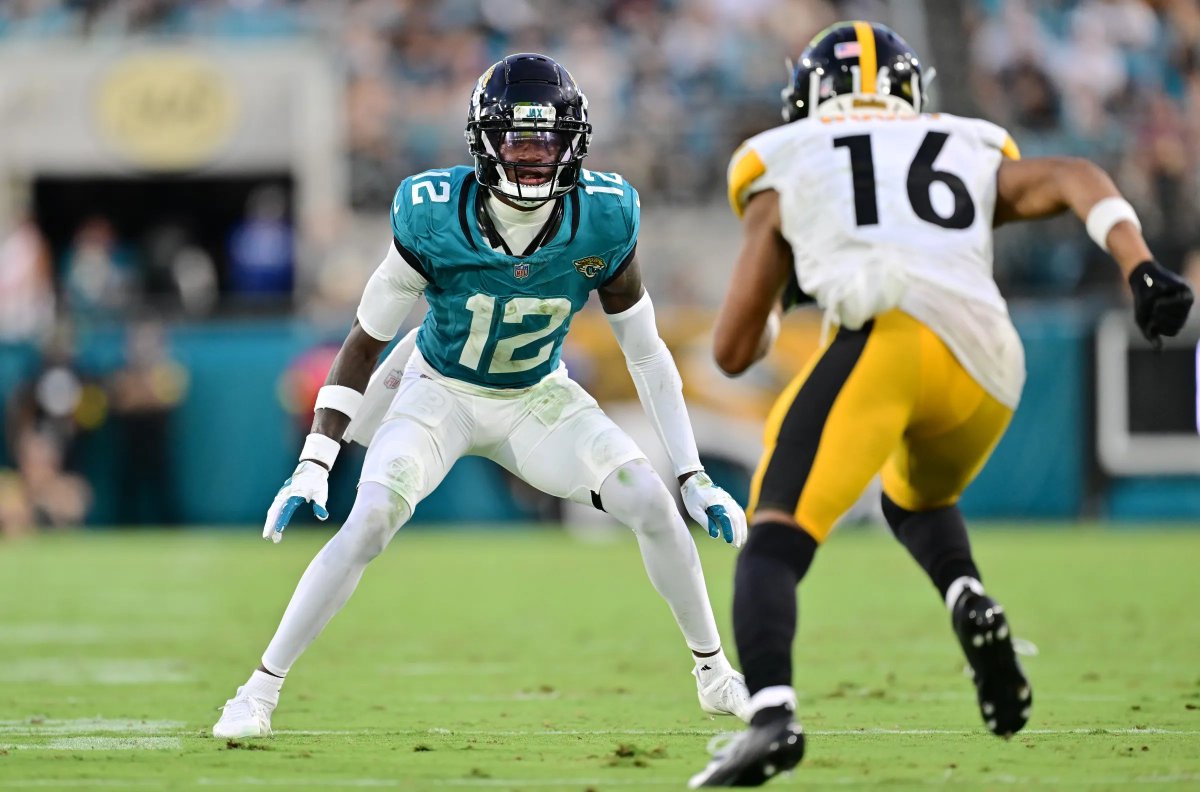
The building-block framing matters because it's not just about one training camp battle for targets, it's about what Jacksonville's whole offense and defense look like if this works. A healthy, unleashed Travis Hunter playing bigger roles on both sides changes how opposing coordinators game plan, and it changes who's actually startable in fantasy lineups come September. Meyers and Washington owners have been warned. The workload is coming, and it's coming for both sides of the ball.