
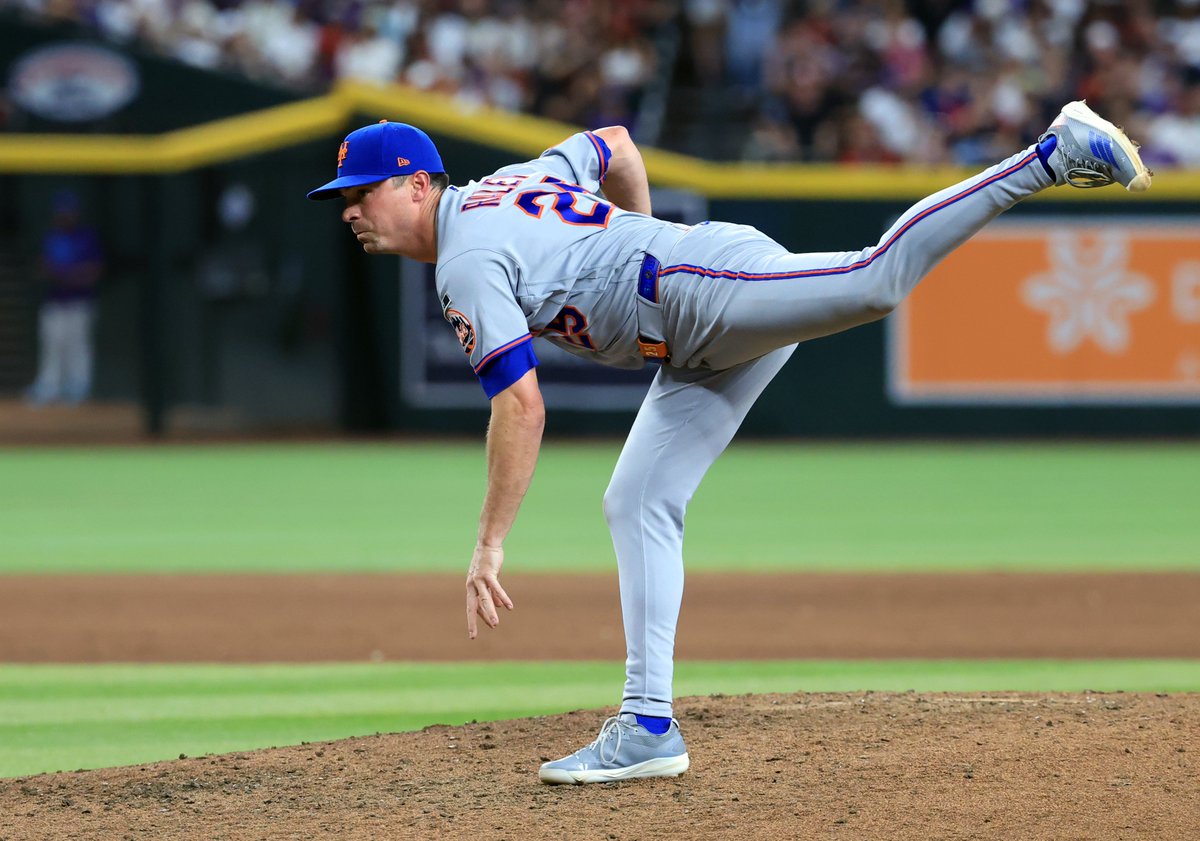
The Mets' season has quietly turned into a teardown watch. According to Jon Heyman, New York has moved into sell mode with league sources saying the front office will consider dealing basically anyone not named Soto, Benge, Ewing, McLean or Scott. That's a short off-limits list for a team that entered the year with real expectations, and it means almost every other name on the roster is fair game with the deadline bearing down.
t.co/UuxEAsBuGG MLB Insider: Mets have moved into sell mode, via league sources. Word is they’ll consider basically anyone but Soto, Benge, Ewing, McLean and Scott, though Lindor’s still seen as a long shot to move
That's where it gets interesting, because two of the names still theoretically in play are Francisco Lindor and Bo Bichette. Heyman has been careful to note Lindor moving is still considered a long shot, but the fact he's even mentioned alongside Jim Duquette and Chelsea Janes both flagging him in trade conversations tells you nothing is fully off the table this summer. Bichette is a different case entirely, and it comes down to money and leverage.
Bichette signed a 3-year, $126 million deal with the Mets built around a $40 million signing bonus, a modest base salary, and $42 million player options for both 2027 and 2028. He also got a full no-trade clause in the deal. Heyman pointed out this week that Bichette has already banked the bulk of this year's money through that bonus, which matters because it changes the calculus on whether he'd actually block a deal versus just letting the front office work.
Bichette noncommittal when asked if he would invoke his no-trade clause @NYPost_Mets
That non-answer is exactly why this story has legs. A player with full no-trade protection staying noncommittal instead of flatly saying he's not going anywhere is a signal in itself, and it keeps every rumor about Queens' deadline plans alive rather than dead. Combine that with MLB Trade Rumors reporting the Mets have begun fielding offers, and you've got a front office that sounds genuinely willing to move pieces most fans assumed were untouchable a few months ago.
Clay Holmes is the other name tangled up in all this, and his situation is more straightforward. Holmes was pitching at an All-Star level for the Mets before a fractured fibula off a comebacker sidelined him in mid-May. He's been building back up and is now nearing a rehab assignment, which is exactly the kind of showcase opportunity that gets scouts in the stands.
One other good option for the Mets with Clay Holmes beyond trading him would be to give him the Qualifying Offer and then hoping to extend him. He’s a proven NY pitcher who was pitching at All-Star level when felled by a fluke injury. His rehab begins this weekend.
Heyman's own reporting shows the Mets know Holmes has value beyond a rental piece, framing a qualifying offer and extension as a real option instead of just shipping him out. That nuance matters for how this whole sell-off plays out. New York isn't necessarily blowing the whole thing up for prospects across the board, they're weighing which pieces are actually better used to retool for next year versus flipped now. With the Yankees reportedly not prioritizing shortstop, Lindor doesn't have an obvious cross-town landing spot even if the Mets wanted to move him, which leaves Bichette's no-trade decision as the most live variable in the entire Queens sell-off.