






Junior Tuihalamaka commits to LSU amid NCAA eligibility chaos
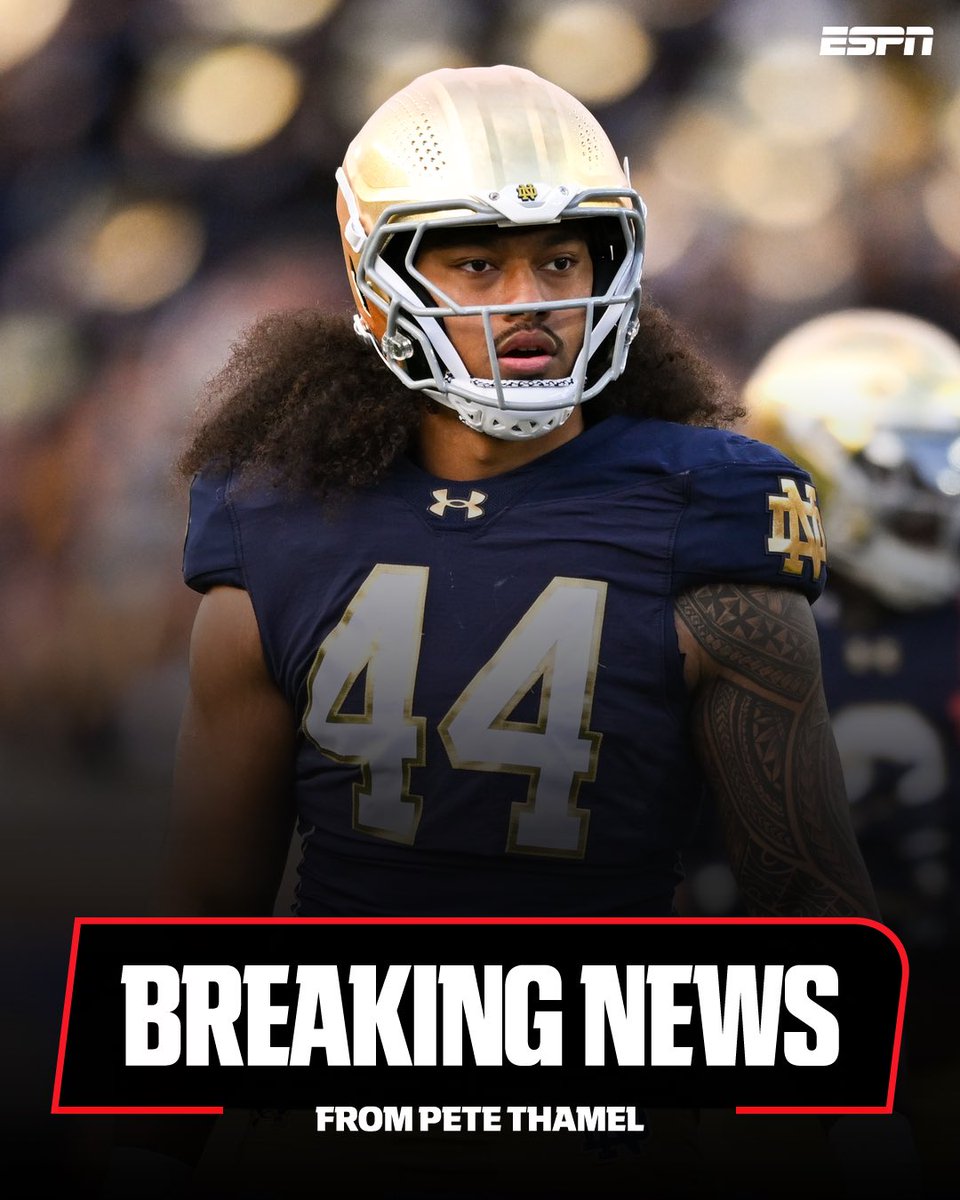
TLDR: A Louisiana court order sent a Notre Dame transfer straight to LSU while a federal appeals court yanked the same fifth-year lifeline away from a whole class of players nationwide.

College football's eligibility fight has turned into a full-blown legal scramble, and it's moving faster than anyone can track. On Wednesday, a Louisiana judge issued a temporary restraining order granting 16 former players a fifth year of eligibility and forcing the NCAA to reopen the transfer portal for a week. Two days later, a federal appeals court stripped that same protection from the entire class of 2022 nationally. Same fight, two completely different outcomes for two different groups of players.
Per the signed order in Louisiana, the 16 college football players will be allowed to enter the transfer portal. "The NCAA is ordered to open the transfer portal ... for one week from entry of this order." t.co/RwnAKjaDzb
The Louisiana order covered a mix of names, from Ole Miss defensive lineman Xzavian Harris to James Madison linebacker Trent Hendrick to former Notre Dame defensive end Junior Tuihalamaka. Harris didn't wait around, officially entering the portal within a day of the ruling. The NCAA, unsurprisingly, wasn't thrilled about any of it, with VP Tim Buckley calling out courts for a "destabilizing effect" on college sports and accusing plaintiffs' lawyers of treating college ball as a fallback plan for players who've already had their shot.
Statement from NCAA VP Tim Buckley: "Courts across the country granting relief to ineligible athletes who already had every opportunity to compete in college — sometimes without even having a hearing — are failing to appreciate the destabilizing effect their rulings are having on college sports. The lawyers bringing these cases seemingly won't be satisfied until every professional athlete can treat college sports as a fallback option, regardless of the opportunities it strips from those who will never have a chance to begin their collegiate sports experience." t.co/pVDAYRxxaO
Then came the whiplash. On Friday, the 10th Circuit granted the NCAA a stay in the Wisne v. NCAA case out of Colorado — the nationwide class action brought by Northern Colorado's Brock Wisne that had forced the NCAA to declare an entire cohort of class-of-2022 athletes eligible back on July 31. That injunction is now stayed by a 2-1 panel vote, meaning any class-of-2022 player who doesn't have their own individual TRO or injunction is ineligible again, effective immediately.

NEWS: The class of 2022 loses its federal fifth-season protection. Obviously this legal battle will continue.
That's exactly why the Louisiana TRO matters so much: it's a standalone state ruling, not tied to the now-stayed Wisne injunction, so the 16 players covered by it are unaffected. Kentucky has since issued its own order opening the portal for a week too, and more state lawsuits are reportedly coming as players and agents race to get ahead of a court calendar that increasingly favors the NCAA. Programs like Indiana, which had already brought players back onto their rosters banking on the national ruling holding up, are now scrambling to figure out who's actually eligible.
Tuihalamaka is the clearest winner to emerge from the chaos so far. The Notre Dame edge rusher, who played in 54 games over four seasons in South Bend and racked up 61 tackles, 9 tackles for loss and 4.0 sacks, used his Louisiana eligibility to commit to LSU rather than return to the Fighting Irish. Notre Dame head coach Marcus Freeman confirmed Tuihalamaka wouldn't be back in South Bend, saying it was "just too late in the graduate admissions process" for him to re-enroll there, which cleared the runway for LSU to swoop in.
NEWS: Notre Dame transfer defensive end Junior Tuihalamaka has committed to LSU, per his agent Noah Reisenfeld of 21 Sports & Entertainment. Tuihalamaka is eligible for a fifth year of college football from the state court ruling in Louisiana on Thursday.
For Lane Kiffin, it's a low-cost, high-value addition to a defensive line already getting a facelift under coordinator Blake Baker heading into his first LSU season. Tuihalamaka never signed an NFL contract, so unlike some of the other players caught up in these eligibility suits, his path to Baton Rouge is clean. Not every player in this fight is so lucky — reports out of the Wisne fallout suggest a New Mexico-turned-UCLA guard like Donovan Dent could lose his own eligibility bid without an individual court order to fall back on, underscoring just how much of this now comes down to which state a player happens to sue in.
More Stories
Florida QB vs. Georgia: Aaron Philo or Tramell Jones Jr.
Pat McAfee Utah College GameDay uncomfortable comments
William Sanders injury: Alabama guard has TightRope surgery
Tommy Carr, Bryce Underwood: Michigan QB vs. Rutgers TBD
Landen Hatchett season-ending injury Washington Huskies
Grant Beerman, Kai Pritchard out for season at Illinois