






The NCAA's age rule just ran into another lawsuit it's losing

TLDR: A former Coastal Carolina quarterback just became the latest player to beat the NCAA in court and keep his 2026 season alive.

Samari Collier isn't a household name yet, but he's now part of a legal wave that's rewriting how the NCAA gets to decide who's allowed to play college football. The former Coastal Carolina QB was granted a temporary restraining order against the NCAA, clearing him to compete in the 2026 season and, just as importantly, stay stocked in the transfer portal while the case plays out.
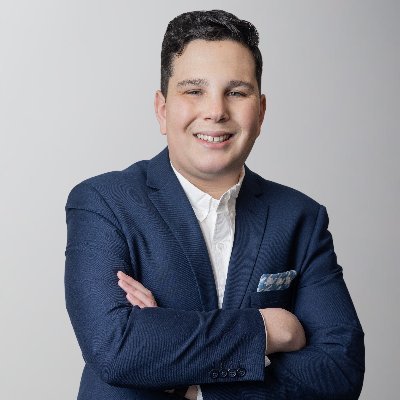
Former Coastal Carolina QB Samari Collier has been granted a TRO against the NCAA to play the 2026 college football season, per court docs. Remains available in the transfer portal. Repped by @APSportsAgency. t.co/wGHlVbRHki
The timing lines up with a bigger mess the NCAA created for itself. The association rolled out a new age-based eligibility model this summer that, in the process of trying to simplify things, ended up squeezing out players who took longer, non-traditional routes to a scholarship - think JUCO stints, redshirts, or a couple of years bouncing between programs before finding a home. Collier fits that profile about as well as anyone: he spent two seasons at Hutchinson Community College before landing at Louisiana, then transferred again to Coastal Carolina, the kind of winding path that's become normal in the portal era but apparently isn't accounted for cleanly under the new rule.
He's not the first to sue and win, either. Tennessee QB Joey Aguilar got his own TRO earlier this year after arguing the NCAA shouldn't count his JUCO seasons against his five-year eligibility clock, a case worth roughly $2 million in NIL value to him if he gets the extra year. A Hamilton County, Ohio judge went further in July, granting a preliminary injunction to two dozen basketball players challenging the same age-based framework and ordering the NCAA to let them compete and use the portal freely this fall. Collier's ruling slots right into that pattern - individual athletes going to court, getting quick relief, and forcing the NCAA to keep playing defense case by case instead of writing one rule that actually holds up.
For Coastal Carolina, this is mostly academic now since Collier already hit the portal - he was one of several Chanticleers quarterbacks to leave as the program overhauled its roster. But the TRO matters a lot for whichever school signs him next, because it means he's not a legal liability who could get benched by a court ruling mid-season. He's a QB with two years of eligibility clarity and a paper trail proving he'll fight for it.
The bigger story is what this keeps doing to the NCAA's authority. Every one of these rulings chips away at the association's ability to enforce a blanket rule without getting overruled by a state judge somewhere. If the pattern holds, expect more players with unconventional college paths to file similar suits before the season kicks off, and expect more restraining orders to follow. The NCAA wanted a cleaner eligibility system. Instead it's got a courtroom fight that keeps producing the same outcome: the player wins, and the roster spot stays open.
More Stories
Florida QB vs. Georgia: Aaron Philo or Tramell Jones Jr.
Pat McAfee Utah College GameDay uncomfortable comments
Tommy Carr, Bryce Underwood: Michigan QB vs. Rutgers TBD
William Sanders injury: Alabama guard has TightRope surgery
Landen Hatchett season-ending injury Washington Huskies
Grant Beerman, Kai Pritchard out for season at Illinois