






USF's $410 million bet to escape its own potential

TLDR: USF is spending $410 million and hiring an Ohio State legend to finally turn 'promising' into 'champion.'

USF has been college football's eternal maybe. The Bulls peaked at No. 2 in the country back in 2007, have bounced between conferences, and have never once won a league title in program history. That's the backdrop for the program's newest all-in swing: a $410 million on-campus stadium and operations center set to open in 2027, paired with a new head coach who just left one of the sport's premier programs to take the job.
"I think we've been crippled by leaning into potential as some sort of metric for success." USF has never won a league title in football. Can new coach Brian Hartline and a $410 million on-campus stadium unlock the perpetual cycle of potential as the realignment clock ticks? t.co/tgEmDdXE0x
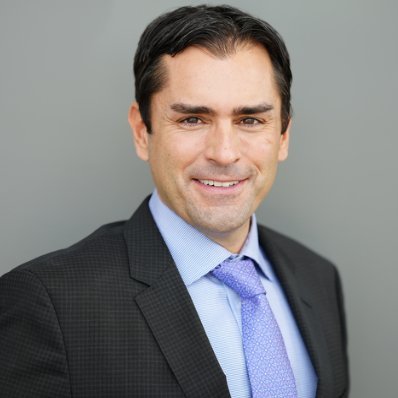
That coach is Brian Hartline, who left his post as Ohio State's offensive coordinator and the sport's most respected wide receivers coach to take over in Tampa after Alex Golesh bolted for Auburn following the 2024 season. Hartline signed a 6-year deal, betting his rising-star reputation on a program that's historically had more hype than hardware. He inherits a roster that returns just 3 starters from a 9-4 team, which is its own kind of reset button. The stadium is the other half of the bet. USF is building a nearly 35,000-seat, $350 million on-campus venue plus a $60 million operations center, complete with a rooftop bar, speakeasies, underwater recovery pools and a barbershop — the full modern arms-race checklist. It's a deliberate break from playing home games off-campus, and it's arriving right as the sport's power structure keeps reshuffling underneath everybody.
That urgency isn't abstract. USF and Memphis are reportedly the only Group of 5-tier programs committing to the full $21.3 million revenue-sharing number this cycle, and the American Conference has watched roughly 78% of its top-tier players transfer up to power leagues in recent years. Standing still in that environment means bleeding talent every offseason, which is exactly the cycle USF is trying to buy its way out of with bricks, mortar and a big-name hire.
Athletic director Rob Higgins put it bluntly, saying the days of leaning on potential as a substitute for actual results are over. That's a notable thing for a USF administrator to say out loud, given the program's entire modern identity has been built on preseason buzz that fizzles by October. Hartline inherits both the hope and the baggage of that history, and now he's got a $410 million stadium as physical proof the school isn't bluffing this time.
Whether any of it works comes down to the same thing it always does: wins. A fancy stadium and a hot-shot coordinator hire have sunk plenty of programs before USF, and the Bulls' 2026 season with a mostly rebuilt roster will be an early gut-check long before the new building even opens. But for a program that's spent 2 decades being described as a sleeping giant, at least the alarm clock is finally set.
More Stories
Florida QB vs. Georgia: Aaron Philo or Tramell Jones Jr.
Pat McAfee Utah College GameDay uncomfortable comments
Tommy Carr, Bryce Underwood: Michigan QB vs. Rutgers TBD
William Sanders injury: Alabama guard has TightRope surgery
Landen Hatchett season-ending injury Washington Huskies
Grant Beerman, Kai Pritchard out for season at Illinois