

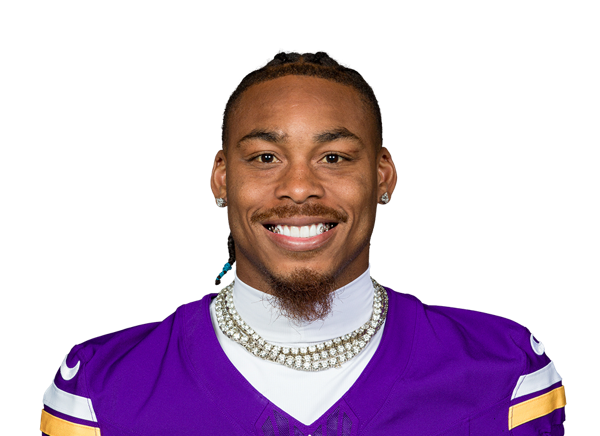
Let's start with the ugly number, because everyone drafting Jefferson this year already knows it: 84 catches, 1,048 yards, 2 touchdowns in 2025. For most receivers that's a fine season. For Jefferson it was a full-blown horror show, and it wasn't about his legs or his hands. It was about who was throwing him the ball. Minnesota's quarterback situation was a mess for most of the year, and a receiver who's used to seeing 130-plus targets a season got starved by bad play behind center.
Draft Market
The offseason fix is the whole ballgame here. The Vikings brought in Kyler Murray to compete with J.J. McCarthy, and head coach Kevin O'Connell has been deliberate about not rushing the decision, splitting first-team reps between the two into training camp with the QB battle expected to stretch through preseason games, including the Aug. 15 trip to face the Giants. Jefferson himself has stayed diplomatic about McCarthy, calling him a 'young bull,' but the very existence of a real competition tells you Minnesota knows last year's answer wasn't good enough. Whoever wins the job, Jefferson is still the unquestioned focal point of the passing game, and Minnesota also brought in Jauan Jennings to beef up the slot, which should only make life easier underneath and open up more one-on-one looks outside for Jefferson.
The fantasy case writes itself once you get past the box score trauma. This is a player who's been the most efficient, most target-hungry receiver in football for most of his career, sitting at WR1 on the depth chart in an offense that's designed to funnel volume his way no matter who's under center. Analysts covering the beat have openly said last season should be treated as his floor outcome, not a new normal, and that a bounce-back into the elite WR1 tier is very much in play if the quarterback play even gets to league-average.
Award Markets
Now the market. ESPN has him going 12th overall, the live mock crowd on FantasyFootballCalculator has him even higher at 10.2, and he's rostered in basically every single competitive league (99.7%). That's early-round conviction. But flip over to Kalshi and the picture gets more cautious: just a 6% shot at finishing the WR1 overall, ranked only 10th among receivers by that market, with an 11% shot at leading the league in receiving touchdowns, 8.5% for receiving yards, and a modest 4% for Offensive Player of the Year. That's a real gap. The drafting public is treating Jefferson like a locked-in top-15 pick regardless of outcome variance, while the prediction market is hedging hard on the quarterback question actually resolving in his favor.
Where do I land? I'm siding with the draft-day crowd over the award markets on this one. Kalshi's numbers feel like they're pricing in the downside scenario where the QB battle stays messy all year, and that's a real risk, but it's not the base case Minnesota is building toward. You're not drafting Jefferson at pick 10 to 12 expecting him to lead the league in touchdowns or win OPOY outright, you're drafting him because even a mediocre passing offense still finds a way to get him 8 to 10 targets a game, and a competent one turns him back into a weekly WR1 with league-winning ceiling.
WR Board

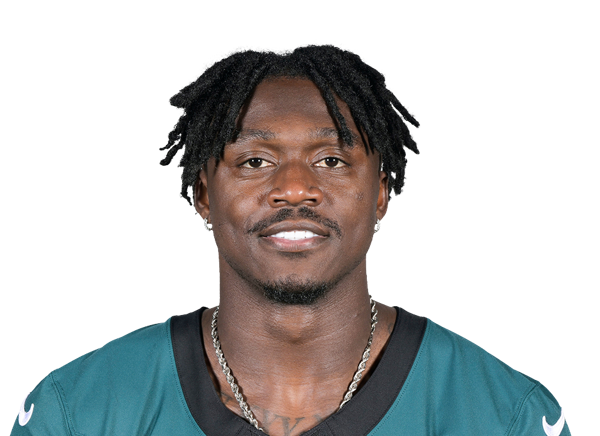
Verdict: draft at cost, don't overthink it. Late first round to early second is the right range, and if he slides anywhere near his crowd ADP of 10.2 because managers are spooked by the box score, that's a gift. This is a talent-and-volume bet on a player who's proven himself for six straight seasons, with the only real variable being quarterback play that's actively being upgraded as we speak. Let someone else fade him over one bad, QB-driven year.