






PGA Tour kills the booth and golf Twitter is loving it
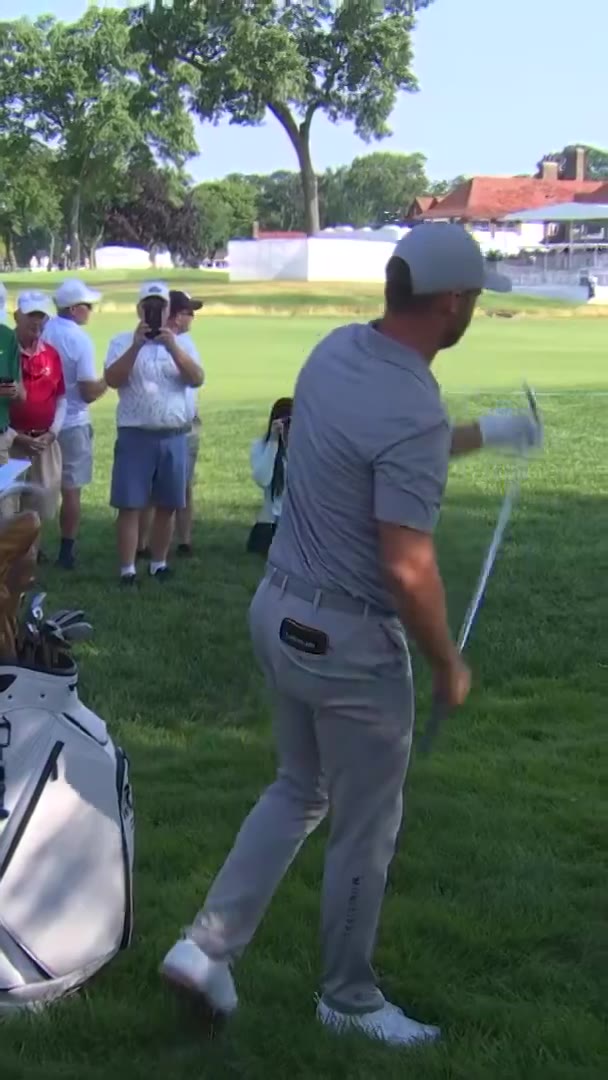
TLDR: The PGA Tour muted its announcers for a live stream and let raw caddie chatter carry the broadcast — and Barstool's golf guys want it to stay that way.
The PGA Tour rolled out something genuinely different this week: a live stream with zero announcers. No booth analysis, no forced storylines, just the actual sounds of a golf tournament — wind, galleries, and the quiet back-and-forth between a player and his caddie standing over a shot. The feed, branded 'Marquee Group: Quiet Please,' debuted on PGA TOUR LIVE via ESPN+ for the Rocket Classic at Detroit Golf Club, running all 4 rounds.
Instead of a broadcaster telling you what club a guy is hitting or what the number is, you just hear it happen in real time. Fore Play caught exactly that on camera — a player and caddie working through a shot with the conversation captioned right on screen, no talking heads required.
How are we feeling about the new PGA Tour stream with no announcers & a focus on player-caddie conversations?
It's a small production tweak that hits at something bigger: golf broadcasts have always been suffocated by hushed, over-explained commentary. Strip that away and you get something closer to actually being inside the ropes — which is exactly the appeal. According to the Tour's own Fan Council review, roughly two-thirds of fans surveyed said they were into the announcer-free concept before it ever aired, so this wasn't just a random experiment — the demand was already there.
Barstool's account jumped on the idea almost immediately, making the case that this isn't just a golf thing — it's a format every sport should be stealing. Real conversations beat manufactured commentary basically every time, and golf, with its natural quiet and mic'd-up intimacy, is the perfect sport to prove it.
The PGA Tour having a stream option that's announcer-free, so we can hear player/caddie conversations is something that every sport needs to have
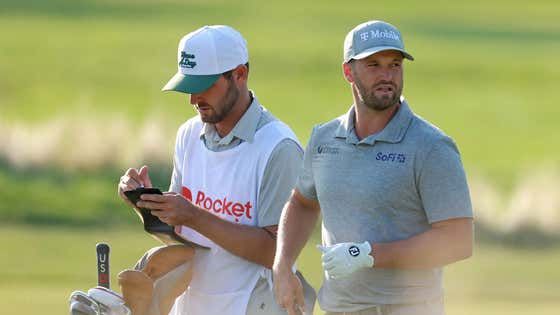
The graphics do the heavy lifting that announcers usually would — real-time stats and info pop up on screen instead of getting explained out loud — while player soundbites and interactive stuff like live polls and trivia fill the gaps. It's less a broadcast and more eavesdropping with better production value, and that's the whole draw.
This was billed as a pilot, not a permanent switch, and the Tour says it'll dig into the fan reaction data before deciding how far to take it. If the response matches the early buzz, expect the announcer-free option to show up more regularly in 2027 — and don't be shocked if other sports start sniffing around the same idea.
More Stories
Internet Invitational episode 1: Jon Gruden, Johnny Manziel
Jersey Jerry, Big Cat Cowboys vs. Eagles MNF picks graded
Cody Franke tribute opens 2026 Internet Invitational
Kevin Kisner The Duke swing Internet Invitational episode 1
Malosi Togisala rangefinder tape Internet Invitational
Nick Fasoli back for Internet Invitational 2026 episode 1