






Red Sox place Garrett Whitlock on 15-day IL with elbow inflammation
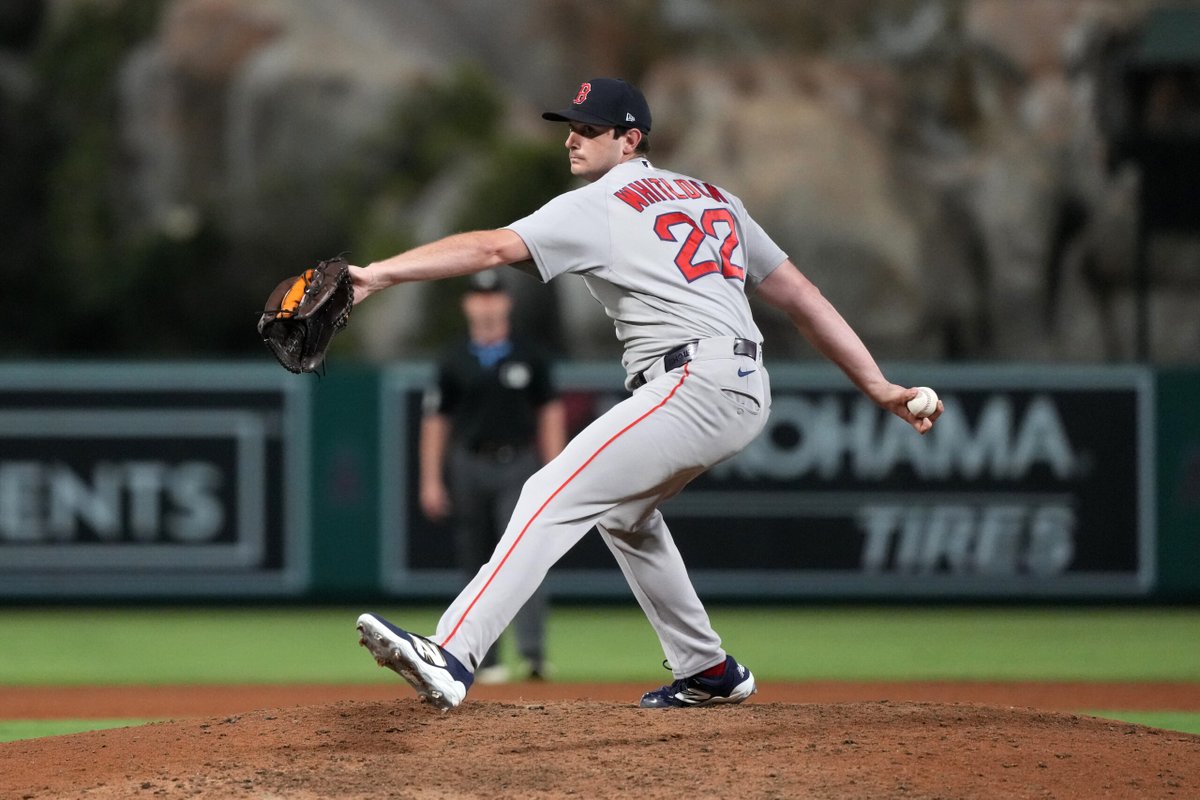
TLDR: Boston's bullpen just lost its best setup man, as Garrett Whitlock heads to the injured list with right elbow inflammation during his best season yet.

The Red Sox placed Garrett Whitlock on the 15-day injured list Thursday, a move that's retroactive to August 10, which means he's technically eligible to return in as little as 12 days. Boston recalled right-hander Greg Weissert from Triple-A to fill the roster spot, but replacing what Whitlock has been doing out of that bullpen is another matter entirely.
Red Sox To Place Garrett Whitlock On Injured List t.co/F3W6fsHrwM
This isn't some journeyman reliever quietly hitting the shelf. Whitlock has been having arguably the best season of his career, posting a 2.05 ERA across 44 innings with a 29.2% strikeout rate against just a 4.2% walk rate, per MLB Trade Rumors. Over his last 29 2/3 innings he'd been borderline unhittable, running a 1.21 ERA and walking just one of the 106 batters he faced. His 42% chase rate led all of baseball, and it wasn't particularly close.
Whitlock has downplayed the severity of the issue, saying he doesn't believe there's any structural damage in the elbow, but reports indicate he's been dealing with discomfort for weeks before things came to a head warming up in the bullpen this week. For a guy with Tommy John surgery already on his resume, any elbow news is going to get watched closely in Boston, even with him publicly waving off the worst-case scenario.
The bigger issue is timing. Whitlock has been the primary setup man in front of closer Aroldis Chapman, and the two of them had turned into one of the more formidable bridge-to-the-ninth combos in the sport. Take Whitlock out of that equation for even 2 weeks and Boston's late-inning margin for error shrinks fast, right as the club is trying to hold its ground in a tight playoff picture.
Whitlock, 30, has quietly become one of the better value plays in baseball since the Red Sox plucked him off the Yankees in the 2020 Rule 5 Draft, and this year was shaping up as his best yet before the elbow flared up. The retroactive dating gives Boston a realistic shot at getting him back inside 2 weeks, but until he throws off a mound again and comes out clean, this is going to hang over a bullpen that just lost its most dominant arm.
More Stories
Jackson Chourio 4 hits, Brewers beat Rays 10-0 in Game 3
Aaron Ashby scoreless streak nears postseason record
Mariano Duncan hired as Mets major league coach
Jackson Chourio throws out Liam Hicks at home in Game 2
Liam Hicks home run Rays vs. Brewers World Series Game 2
Christian Yelich RBI triple World Series Game 1 Brewers