






Yankees explain why they let Tarik Skubal slip to the Dodgers
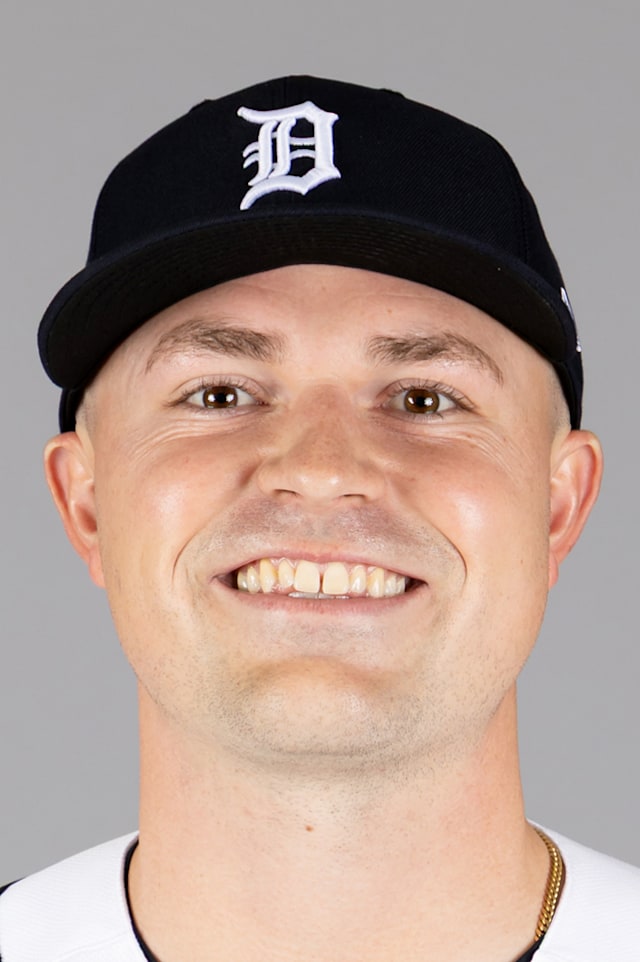


Tarik Skubal is a Dodger now, and the Yankees are left explaining what happened. The two-time AL Cy Young winner was traded from Detroit to Los Angeles for outfielder Zyhir Hope, right-hander River Ryan and right-hander Brady Smith, a deal that came together fast and left New York on the outside looking in on the best pitcher available at the deadline.
Jon Heyman got into the specifics of why the Yankees came up empty across the board, not just on Skubal, but on names like Miller, Rutschman, Goodman, Alvarez and Jeffers too. It wasn't for lack of trying — it was a market where New York kept hitting the same wall.

t.co/JfDEQohES7 MLB Insider: An inside look at why the Yankees failed to fill some needs (and specifics on why Skubal, Miller, Rutschman, Goodman, Alvarez, Jeffers and more weren’t acquired)
The wall, according to Cashman, had a name: George Lombard Jr. The Tigers wanted New York's top prospect and the sport's No. 20 overall prospect in return for 2 months of Skubal, who's a free agent after this season. Cashman wouldn't do it. "They did have some asks our way that we were unwilling to do," he said, calling it "a very specific ask and a certain player" the Yankees weren't willing to move. Lombard got the call-up to the majors instead of getting shipped to Detroit.
Ken Rosenthal's reporting fills in the rest of the sweepstakes — who else was circling, what the market actually looked like once Detroit made clear it wasn't going to lowball itself just because the season was slipping away. And Jeff Passan's ESPN piece is the one that really explains the mechanics: the calls went out Saturday, teams had to send best-and-final offers, and Skubal was traded that same day.

The calls went out Saturday. Teams needed to submit their best-and-final offers. Tarik Skubal was being traded that day. Free at ESPN: How baseball’s economics penalize small-market teams that want to go for it and helped deliver Skubal to the Dodgers. t.co/CRIPhfIJhE
Passan's larger point is about how baseball's economics work against teams like Detroit when they actually try to compete — the Tigers, as a small-market club, couldn't just sit on a Cy Young winner and hope a bidding war saved them. They had to move fast before the market collapsed, and the Dodgers, who lean less on their own prospects than most teams, were built to strike. That dynamic is exactly why New York's refusal to include Lombard mattered so much — the Yankees weren't the only team at the table, but they were the one team that could've outbid the field and chose not to gut their farm system to do it.
For the Yankees, this becomes part of a larger deadline story where they stood pat on nearly every big name. Whether that restraint looks smart or costly depends entirely on how the stretch run goes without a true ace added to the rotation — and on how good George Lombard Jr. actually turns out to be in pinstripes.
More Stories
Jackson Chourio 4 hits, Brewers beat Rays 10-0 in Game 3
Aaron Ashby scoreless streak nears postseason record
Mariano Duncan hired as Mets major league coach
Jackson Chourio throws out Liam Hicks at home in Game 2
Liam Hicks home run Rays vs. Brewers World Series Game 2
Christian Yelich RBI triple World Series Game 1 Brewers